DigiPen - BSCS in Real-Time Interactive Simulation (RTIS)
Rigorous, project-driven computer science degree in C/C++, math, and physics—shipping full games and engine tech from scratch with cross-discipline teams.
The RTIS Program
DigiPen’s Bachelor of Science in Computer Science in Real-Time Interactive Simulation (RTIS) is a demanding CS program that uses games and real-time simulation as the application domain—not as a shortcut around fundamentals. The curriculum is built around low-level programming, serious math and physics, and long-horizon software projects that behave more like shipping products than homework assignments.
Across four years the emphasis stays on how computers actually work: C and C++, memory and performance, linear algebra and calculus tied to graphics and motion, data structures, operating systems, rendering pipelines, physics, AI, and engine architecture. You spend much of your time building systems from the ground up rather than only scripting inside someone else’s engine—so you learn the technology those tools are made of.
Every year includes large team-based game projects: going from zero to a playable, integrated title with designers and artists, under real scope and deadline pressure—planning, iteration, debugging, and integration at a scale that mirrors production. That combination of theory plus repeated delivery of complex software is why I leave the program with a deep, practical grasp of computer science and engineering, not just syntax.
Projects
Below are the major team projects from the degree, in chronological order. Each one was a new codebase and product surface—gameplay, tools, graphics, audio, and AI stitched together in C++ (and supporting tech where noted).
Ursine3D Game Engine
Apr 2015 – May 2016
From-scratch C++ generalized game engine and editor. TODO: improve the intro paragraph here
- In-Editor Level Editing, Play Mode, Content Management
- C++ Entity Component System (ECS)
- C++ Reflection
- HTML/CSS/JS Support via Chromium Embedded Framework (CEF)
- Extendable Content Pipeline
- Full 3D Graphics Engine
- Skeletal Animation (FK, IK, Blending, Procedural Motion)
- In-Editor Animation Builder
- Bullet Physics Integration
- Wwise Audio Integration
Rafflesia
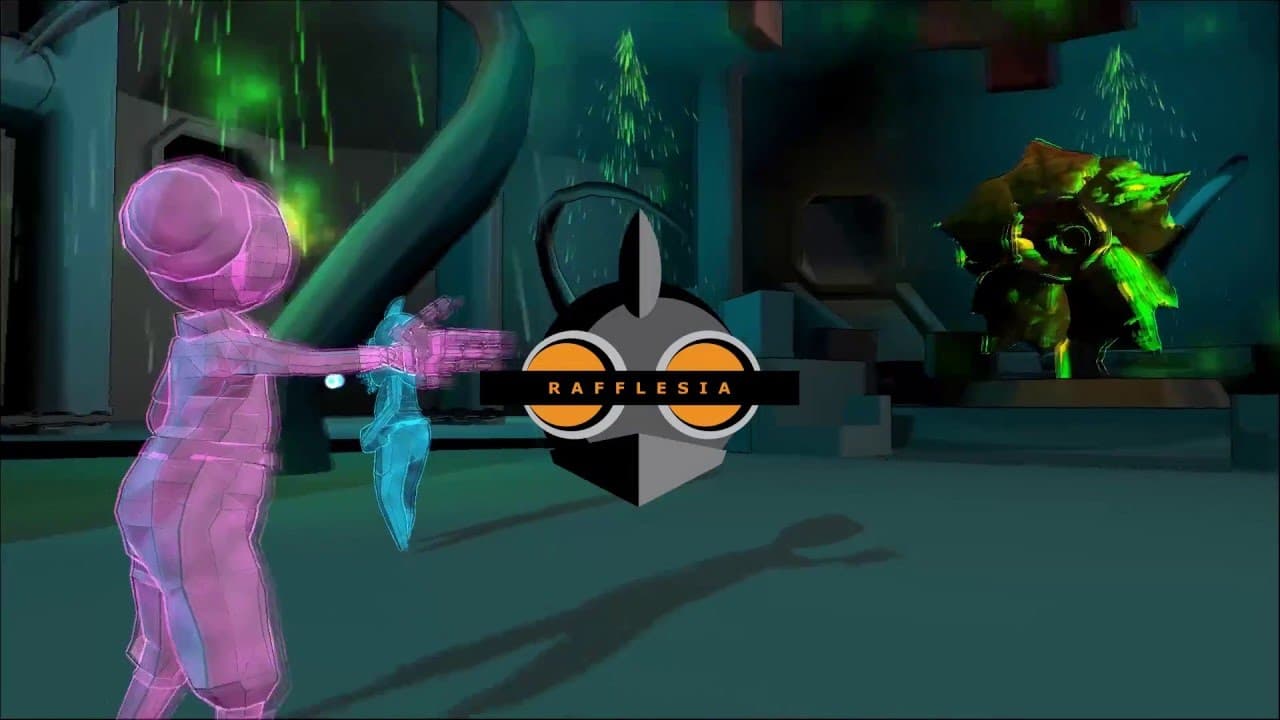
Jun 2015 – Apr 2016 · Sci-fi cooperative split-screen first-person shooter built on Ursine3D: two exterminators fight a colossal plant (Rafflesia) spreading through a sewage facility before it can threaten the neighboring city.
Programming across physics, tools, gameplay, AI, and animation—delivering split-screen co-op combat, content workflows, and integrated systems on the custom engine.
Genetic Drift
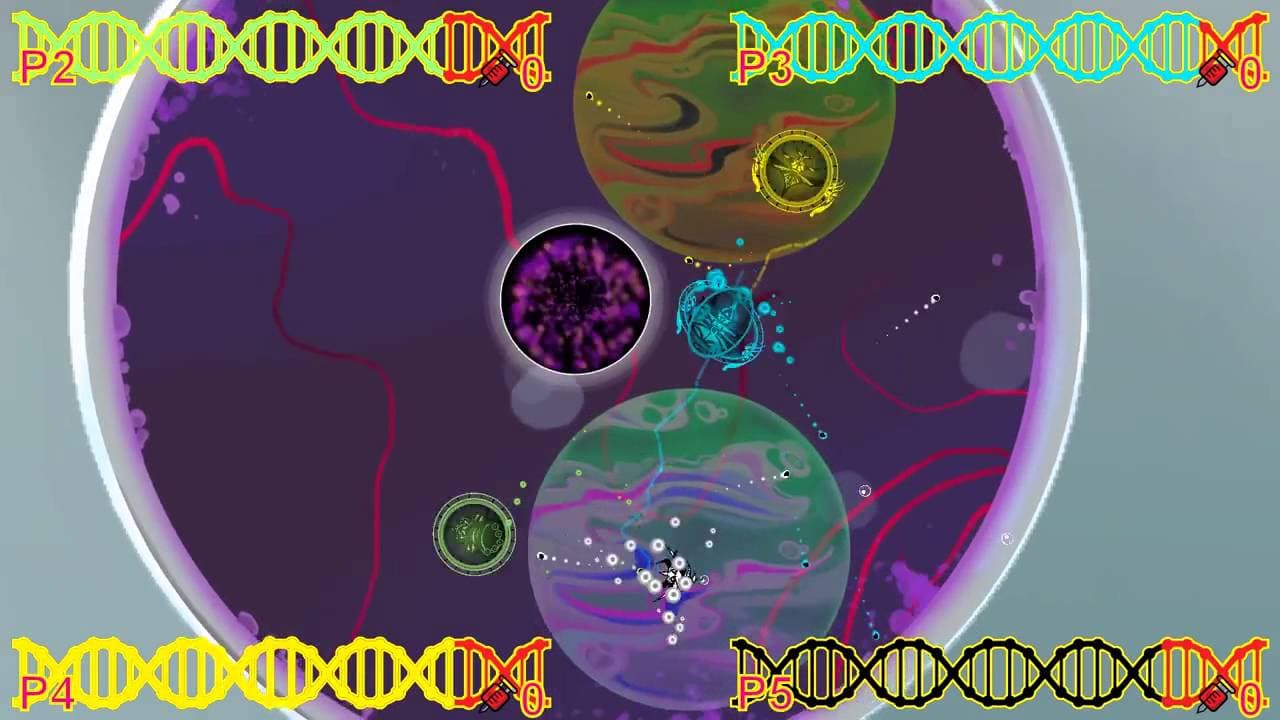
Aug 2014 – Apr 2015 · 2D couch co-op twin-stick arena shooter: engineer organisms for battle by choosing their abilities, built for fast local multiplayer.
Focused on physics, audio, graphics, gameplay, and AI as a programmer—keeping action readable and responsive in a competitive shared-screen format.
Agamemnon
Dec 2013 – Apr 2014 · Fast-paced 2D top-down adventure survival horror with lighting, puzzle mechanics, and semi-linear exploration.
Programming work spanned systems that supported tension and readability in a horror context—interaction, pacing, and technical hooks for puzzles and exploration.
Orpheus
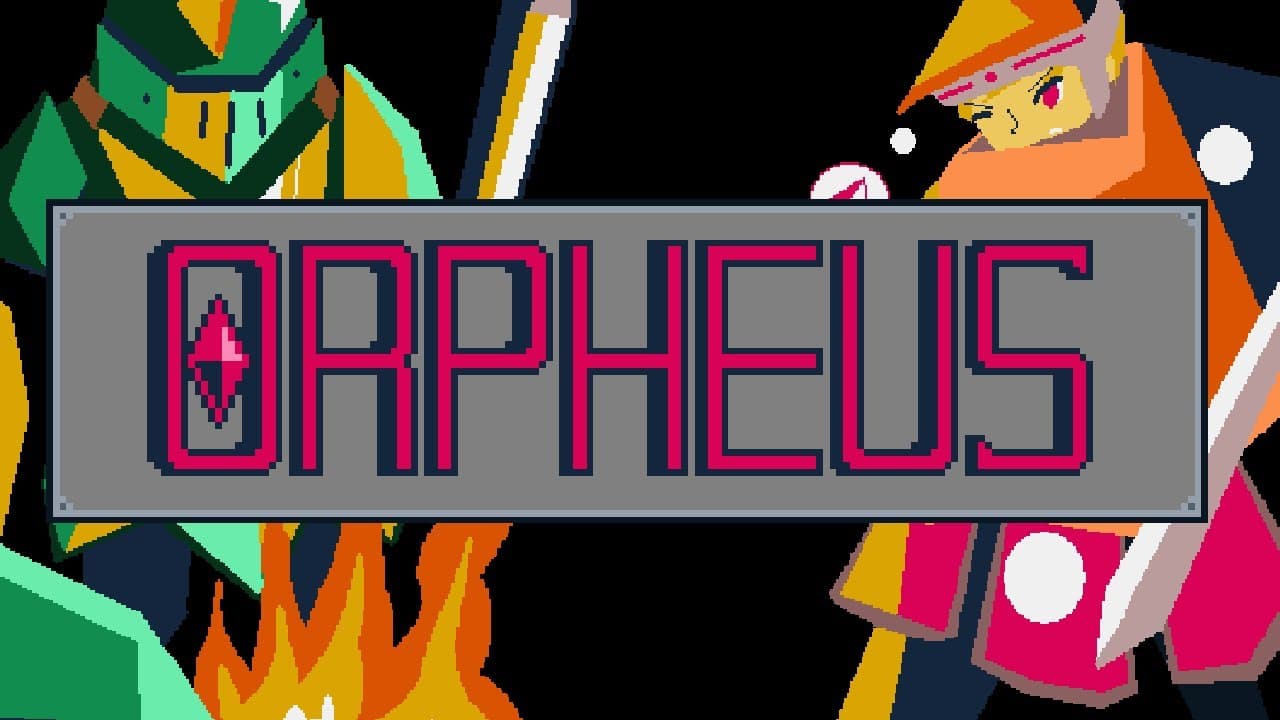
Sep 2013 – Dec 2013 · Atmospheric 2D top-down turn-based roguelike dungeon crawler with RPG elements, set in a post-apocalyptic fantasy world where magic has been outlawed and the hero must fight through a dungeon to escape persecution as a “Nomad.”
Contributed across programming on core game systems for exploration, combat, and progression in a constrained tile-based format.